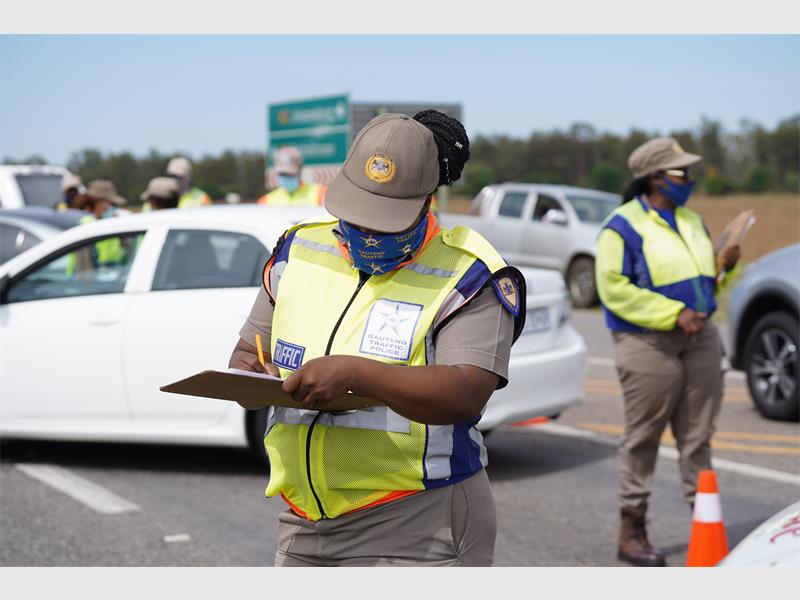
Is the Traffic Cop Course Funded By NSFAS?
If you’re interested in becoming a Traffic Officer (Traffic Cop) and want to know whether NSFAS (National Student Financial Aid Scheme) can help you pay, then this guide is for you. We’ll explain clearly what NSFAS does and doesn’t fund, what the training involves, what your requirements are, and what alternative funding routes exist.
Does NSFAS Fund Traffic Cop Courses?
Short answer: No — NSFAS does not directly fund Traffic Cop courses.
-
NSFAS is aimed at supporting students who are pursuing formal qualifications (like diplomas and degrees) at public universities and TVET colleges.
-
Traffic Cop training is normally offered by accredited traffic colleges or via short/vocational training programs, which are not considered part of the typical NSFAS funding framework.
-
Because these traffic colleges do not fall under the standard categories NSFAS supports, that training is excluded from NSFAS funding.
Why NSFAS Excludes Traffic Cop Training
-
Institution Type – Traffic Colleges aren’t usually classified under universities or TVET colleges. NSFAS’s eligibility rules specify those types.
-
Qualification Type – NSFAS tends to support full qualifications (e.g. diplomas or degrees) rather than short courses or vocational training that don’t lead to a formal qualification recognized by the Department of Higher Education & Training.
-
Legislative / Policy Framework – The rules for NSFAS are defined in legislation or policy that currently do not include many specialized law-enforcement training courses like traffic law enforcement as eligible.
What is Traffic Cop Training (in South Africa)?
-
This is a vocational/specialized course to train individuals in traffic law enforcement.
-
Typical topics include road safety laws, accident investigation, vehicle inspections, traffic control, reporting, enforcement, etc.
-
Training is delivered via traffic colleges or government departments (municipal/provincial traffic authorities).
-
Prospective candidates must meet certain requirements (more below).
Eligibility Requirements for Traffic Cop Courses
If you want to enrol, you’ll generally need:
-
Matric (Grade 12) certificate
-
Valid South African citizenship
-
Valid driver’s license (commonly at least Code B)
-
Physical and medical fitness (health & fitness standards)
-
Clear criminal record (no serious convictions)
These criteria may vary slightly depending on the college or province, so always check with the specific traffic training college or provincial traffic department.
How to Apply for Traffic Cop Training
-
Check accreditation – Ensure the traffic college is officially recognized/accredited.
-
Meet requirements – Matric, license, fitness, etc.
-
Watch for application notices – Municipal or provincial departments often advertise when recruitment is open.
-
Gather documentation – ID, matric certificate, driver’s license, medical fitness certificate, etc.
-
Submit the application – Either directly to the traffic training college or via the relevant government department.
-
Undergo selection process – This may include fitness tests, interviews, background checks, and medicals.
-
Begin training – Once accepted, training will cover both theoretical and practical components.
Alternative Funding Options (Because NSFAS Doesn’t Cover It)
Since NSFAS doesn’t fund the Traffic Cop Course, here are other funding options you can use:
Provincial Traffic Departments / Government Learnerships
- Many provinces offer bursaries or learnerships for traffic officer training. These may include covering tuition, stipends, and sometimes uniforms or tools.
SETAs (Sector Education & Training Authorities)
- For example, TETA (Transport Education & Training Authority) might offer funding for skills-based courses related to traffic law enforcement or road safety.
Government Bursaries
- Departments like SAPS (South African Police Service) or provincial departments of transport sometimes partner to provide bursaries specifically for traffic enforcement training.
Private Sponsorships / Corporate Social Responsibility (CSR)
- Private companies in logistics, automotive, transport or road safety sectors may sponsor or offer funding for traffic-related training.
Student Loans / Financial Institutions
- Some banks (e.g. large South African banks) may offer loan products for short courses or vocational training if bursaries/funding are not available.
Self-Funding
- If no funding is available, you may need to pay for the course tuition, materials, etc., yourself.
While becoming a Traffic Officer is a worthwhile goal, the Traffic Cop Course is not funded by NSFAS. If you’re looking to train, focus on discovering alternative funding routes: provincial learnerships, SETAs, scholarships, government bursaries, or even private sponsors. Make sure you meet all the requirements (matric, driver’s license, fitness) and that your chosen training provider is properly accredited.
- No Laptop Needed: Check Your NSFAS Details via WhatsApp - August 25, 2026
- Is the Traffic Cop Course Funded By NSFAS? - August 25, 2026
- How Students Can Check Their NSFAS Updates Using USSD in South Africa - August 25, 2026